
Is luck really a factor in gambling success?
The Role of Luck in Gambling
Luck is often touted as a significant component in the realm of gambling, dominating conversations among players and skeptics alike. Many gamblers believe that fortune plays a crucial role, especially in games where outcomes are largely based on chance. For instance, in games like roulette or slot machines, the results are entirely random, leading players to feel that their success hinges on the whims of Lady Luck rather than skill or strategy. This perception is further fueled by anecdotes of players hitting big wins seemingly out of nowhere, reinforcing the idea that luck is a powerful force in gambling, much like those who enjoy playing pokies online and experiencing sudden jackpots.
However, it’s essential to distinguish between luck and skill, as the two concepts can often overlap but are not synonymous. In games such as poker, while luck can impact the outcome of a single hand, a player’s skill in reading opponents and making strategic decisions typically leads to long-term success. This highlights that while luck may play an integral role in certain games, it is not the sole determinant of success in the gambling world.
Furthermore, the psychological aspect of perceived luck can also affect players’ behavior and decision-making. Gamblers may start to engage in superstitious practices or rituals, believing these behaviors could improve their chances. This phenomenon showcases the complex interplay between luck, perception, and gambling strategies, ultimately suggesting that while luck is indeed a factor, it exists within a larger ecosystem of skills and strategies that influence overall success.
The Influence of Skill and Strategy
In contrast to luck, skill and strategy are critical components that can considerably sway gambling outcomes. Many games, particularly those involving strategy such as poker or blackjack, allow players to employ techniques that can enhance their chances of winning. Skilled players often analyze patterns, remain aware of their opponents’ tendencies, and calculate odds to make informed decisions. This analytical approach highlights the importance of skill and knowledge in conjunction with luck, underscoring that success is not purely a product of chance.
Moreover, developing expertise in a particular game can drastically improve a player’s winning potential. For example, a seasoned poker player understands concepts like pot odds and implied odds, which can inform their betting strategies and increase their likelihood of success over time. This aspect of gambling emphasizes the necessity of investing time in learning the intricacies of each game, thereby reducing the reliance on luck alone and increasing the weight of skill in the overall outcome.

Additionally, strategic planning and bankroll management are paramount in promoting long-term success. Players who understand how to manage their funds effectively can withstand losing streaks and continue playing, giving them more opportunities to leverage their skills when luck does swing in their favor. This combination of skill development and strategic management offers a framework where luck, while still a factor, becomes a variable that players can navigate rather than an uncontrollable force dictating their fate.
The House Edge and Its Implications
Understanding the house edge is essential for comprehending how luck and skill impact gambling success. The house edge refers to the mathematical advantage that casinos have over players, ensuring that, over time, the house will always win. This concept illustrates that while players may experience short-term wins due to luck, the odds are structured in a way that ultimately favors the casino. Games with a higher house edge can lead players to rely more on luck, as the chances of winning become more challenging.
The distinction between games with varying house edges further emphasizes the relationship between luck and skill. For instance, in games like baccarat, the house edge is relatively low, allowing skilled players to outmaneuver the odds with strategic betting. In contrast, games like keno have a significantly higher house edge, leaving less room for strategy and increasing the reliance on luck. This variance reinforces the argument that a deeper understanding of the game’s dynamics can directly impact a player’s success and highlight the complex relationship between luck and skill.
Overall, the house edge serves as a reminder that luck often has a temporary role in gambling outcomes, while understanding the mechanics of each game can lead to more informed and strategic decisions. As players navigate their gambling experiences, recognizing the house edge and its implications can empower them to adopt strategies that fortify their success, ultimately diminishing the overwhelming influence of luck.
The Psychological Aspect of Luck in Gambling
The psychology of gambling plays a pivotal role in how individuals perceive luck and its impact on their success. Gamblers often experience cognitive biases that skew their understanding of luck, leading them to attribute wins to skill and losses to bad luck. This mindset can foster a dangerous cycle where players continue to gamble despite losing, convinced that their luck will change eventually. This psychological phenomenon highlights the intricate relationship between perception and reality in gambling.
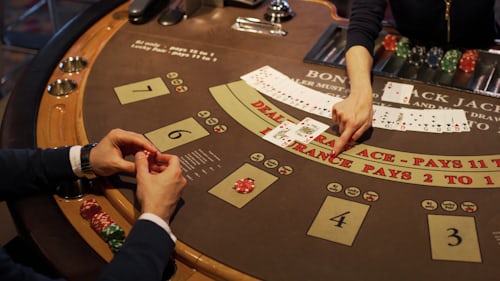
Additionally, the illusion of control can lead players to believe that they can manipulate luck through specific actions, such as choosing lucky numbers or avoiding certain games on particular days. While these rituals can provide comfort and enhance the gambling experience, they can detract from the understanding of the game’s inherent randomness. Acknowledging the role of psychology in gambling can help players foster a healthier relationship with luck and develop strategies that prioritize skill over superstition.
Ultimately, the psychological aspects of luck in gambling underscore a broader narrative about how perception shapes behavior. Players who understand the psychological influences at play can better manage their expectations and make informed decisions rather than relying solely on luck. Recognizing that while luck is a factor in gambling, it is equally essential to cultivate a mindset rooted in skill and strategy can enhance the overall experience and potentially improve success rates.
Your Journey to Informed Gambling
To navigate the intricate world of gambling successfully, players must embrace a balanced approach that incorporates both luck and skill. By prioritizing education and understanding the games they participate in, individuals can diminish the overpowering influence of luck. This journey begins with thorough research and practice, enabling players to develop skills that will serve them well in the long run. Understanding the rules, strategies, and odds can transform a player’s experience, shifting focus from purely relying on chance to embracing a more informed method of gambling.
Moreover, fostering a community where players share insights and strategies can also enhance the overall experience. Engaging with fellow gamblers can provide valuable perspectives and tips that can improve both skill and strategy. Whether through online forums, social media, or in-person gatherings, building a network allows enthusiasts to exchange knowledge and experiences that can ultimately lead to greater success.
In conclusion, while luck is undeniably a factor in gambling, it should not overshadow the importance of skill and strategy. Players who strive for a deeper understanding of their chosen games, backed by a healthy dose of psychological awareness, are likely to experience a more rewarding gambling journey. Embracing this comprehensive approach can help individuals achieve greater success while enjoying all that the gambling world has to offer.
